The blade shredder is the most valuable machine used in recycling and waste processing plants. They reduce the amount of materials by cutting, tearing, sorting, reusing or disposing of them. Although the motor power and machine design are important, the internal components are to a great extent the determinants of real performance. JYF Machinery components are designed to resist stress, abrasion, and impact, which can assist the blade shredders to work more stably and productively in the industrial environment. To read more about shredder blades, check their website.
The Importance of Internal Components
A blade shredder is an operation as a system. Wear surfaces, holders, blades, and shafts have to operate in heavy loads. The untight or mismatched components may lead to vibration, irregular cutting and accelerated wear all over the machine. JYF Machinery components are built in such a way that they can be used in a balanced manner. When the shredder is desired to be running smoothly, and the cutting power is expected to be maintained, the shredder should be equipped with all the major parts that are durable and fitted on the shredder.
Blade Quality and Cutting Efficiency
Shredders use blades as primary cutting elements. Their hardness, sharpness and structural strength are the direct factors that influence the quality of output. Boring or blunt blades make it more resistant and oblige the motor to exert greater effort. JYF Machinery blades are constructed of alloy steel, which is adapted to recurrent cutting and hitting. Adequate heat treatment provides the edges with the hardness to maintain sharpness and yet have sufficient toughness to endure cracking. The balance promotes clean cutting and constant throughput in long production runs.
Strong Shafts for Stable Rotation
The blades are held up by the shaft and get the torque of the drive system. Weak shafts can bend or be worn at contact points under heavy loads, resulting in misalignment. JYF Machinery shafts are produced with design strengths and dimensional accuracy. Constant rotation of the shafts maintains a constant distance between blades, and this increases the efficiency of cutting and minimizes forces on bearings and housings.
Wear-Resistant Holders and Mounting Parts
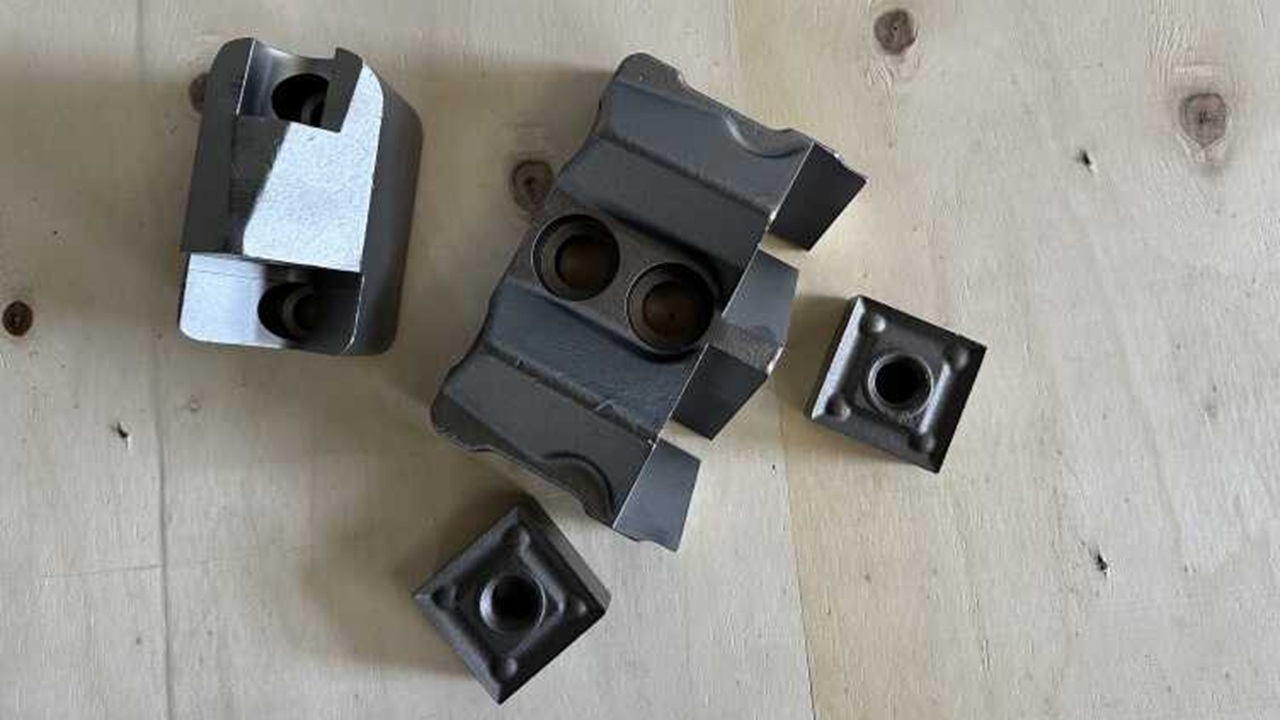
Blade holders and mounting components face direct stress from material impact. If these parts wear quickly, blade alignment changes and cutting performance drops. JYF Machinery components in these areas are built with wear resistance in mind. Strong holders maintain blade position and reduce unwanted movement. This helps preserve the intended cutting geometry and protects surrounding structures.
Reduced Vibration and Mechanical Stress
Imbalance in rotating parts causes vibration that damages bearings, fasteners, and frames over time. It also reduces cutting precision. Accurate machining of JYF Machinery components supports proper fit and balance. When parts align correctly, the shredder runs with less vibration. Lower mechanical stress extends the service life of the whole system.
Better Performance with Mixed Materials
Industrial shredders deal with mixed waste such as plastics, metals, wood, and rubber, which are stressed in different ways. The chipping or damage can be caused by hard objects. To accommodate these differences, JYF Machinery picks and cures parts. Thickened impact-resistant blades and components mean uniform performance regardless of the conditions of feed.
Improved Energy Efficiency
Worn or misaligned components require more force to cut. This raises energy consumption and heat generation. Well-fitted JYF Machinery components allow smoother cutting action. Reduced resistance means the motor operates closer to its normal load range. Over time, this helps control power use and supports steady machine performance.
Longer Service Intervals
Frequent component replacement disrupts production and raises labor costs. Unplanned shutdowns are caused by weak components that are easily worn. JYF Machinery components are made to last long. The wear is minimized by the use of durable materials and proper manufacturing procedures. Maintenance can be planned instead of being reactive, with predictable performance.
Protection of Other Machine Parts
When core components fail, secondary damage often follows. A broken blade may harm the rotor. A loose holder may damage the housing. By using strong JYF Machinery components in critical positions, the risk of secondary damage is reduced. Stable operation protects surrounding parts and supports overall machine reliability.
Consistent Output Quality
A homogenous material size is necessary in the downstream processes, such as sorting, melting, or reprocessing. Cutting with weary or unsteady parts will result in unevenly cut pieces. JYF Machinery parts assist in producing even cutting blades. This helps in creating consistency in output that enhances the processing stages that come later.
Conclusion
Power and speed are not the only factors that determine the performance of the blade shredder. Internal constituents will define the efficiency of the machine in transforming energy into cutting force. JYF Machinery components help to stabilize rotation, have cut edges that last long and cause less mechanical stress. These components can contribute to more efficient operation of blade shredders in harsh industrial conditions by ensuring longer service life, reduced downtime and frequent output.