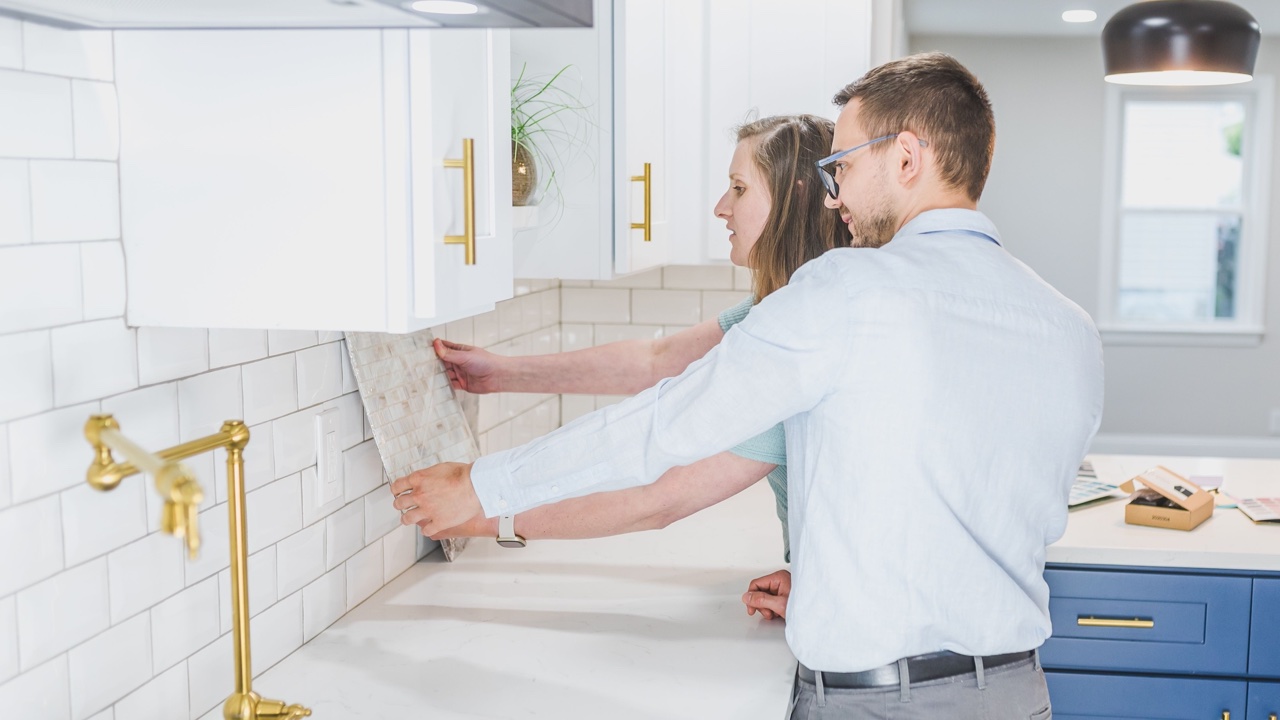
Kitchen renovations generate an enormous number of decisions in a compressed period of time. Countertop material, cabinet finish, handle style, backsplash pattern, appliance brand, sink type, faucet finish — the list keeps expanding, and most of it arrives at roughly the same moment, when the contractor needs answers and the showroom samples are spread across the kitchen table.
Not all of these decisions carry the same weight. Some are genuinely difficult to change without demolishing work that’s already been done. Others feel permanent but can be updated relatively easily a few years later. Knowing which is which changes how much attention each deserves and how much budget flexibility should be held in reserve for the decisions that actually lock in.
The Decisions That Are Genuinely Hard to Change
Cabinet layout and carcass position. Once the cabinets are installed and the countertops are cut to fit around them, the basic layout is fixed. Moving a cabinet run to a different wall, changing a corner configuration, or adding a cabinet that wasn’t in the original plan typically requires removing countertops, potentially moving plumbing or electrical, and reinstalling everything. It’s not impossible, but it costs multiples of what the original installation did.
This is where most planning energy should go. The specific finish on the cabinet doors can be changed later — doors can be replaced, repainted, or refaced without touching the carcasses. The position of the carcasses, and the layout they create, cannot.
Sink and appliance rough-in positions. Plumbing and electrical rough-ins determine where the sink, dishwasher, refrigerator, and cooking appliances can go. Moving them after the kitchen is finished means opening walls or floors, which means tile and flooring repairs on top of the plumbing and electrical work. It’s expensive enough that most people accept the inconvenient position rather than fix it, which is why it’s worth getting right at the planning stage.
The constraint worth understanding: the sink needs to be on an exterior wall or close to an existing drain stack, and the cooking appliances need to be near their fuel source — gas line or dedicated electrical circuit. These physical constraints should drive the layout, not the other way around.
Countertop material and height. Once a stone or engineered countertop is cut and installed, the material choice is locked in for the foreseeable future. Height is a structural decision too — standard counter height is 90cm in most markets, but households with specific ergonomic needs (very tall or short primary cooks, wheelchair users) should specify this upfront, because the cabinet carcasses are built to the countertop height and changing it means rebuilding the cabinets.
The Decisions That Feel Permanent but Aren’t
Cabinet door style and finish. This is the most common area where people over-invest in decision-making anxiety relative to actual consequences. Cabinet door fronts — the visible face of the kitchen — can be replaced without touching the carcasses. A kitchen that has slab doors today can have shaker doors in five years. A finish that feels dated can be repainted or replaced without a renovation.
This doesn’t mean the initial choice doesn’t matter. But it does mean it’s not worth delaying a project or significantly compromising on carcass quality in order to fund a specific door finish. The door is the most replaceable element of the kitchen.
Handles and hardware. Completely replaceable. Cabinet handles are a screwdriver task. Faucet replacement is a half-day plumbing job. These are the elements that most visibly date a kitchen over time and the ones most easily updated, which makes them good candidates for choosing something durable and neutral rather than spending heavily on a trend.
Backsplash. More involved to change than hardware, but far less consequential than the cabinet layout. Tile can be replaced over a weekend if the existing tile is removed — or a new tile can be installed directly over old tile in many cases. The backsplash is visible surface area that updates the look of the kitchen without touching anything structural.
Lighting. Pendant lights, under-cabinet lighting, and recessed fixtures can all be changed as long as the rough-in electrical is in place. This is a frequent update as styles change and is not a permanent decision in the same sense that plumbing positions are.
Where This Changes How to Spend
The practical implication is a reallocation of budget and attention: concentrate spending on the elements that are actually fixed, and be more flexible on the elements that can be updated.
Cabinet carcass quality is fixed once installed. A carcass built from good-quality board material with proper construction will last decades. One built from lower-grade material will swell, degrade, or fail within years — and replacing carcasses means a full kitchen demolition. This is where quality matters most and where compromising to save money is most likely to generate a much larger cost later.
Counter material is fixed at installation. Stone and engineered stone are expensive to replace and generate waste when they’re removed. Getting this right the first time is worth the additional planning time.
Layout is fixed. If the cooking workflow doesn’t feel natural at the design stage, it won’t feel natural once the kitchen is built. The time to think through the triangle between sink, cooking surface, and refrigerator, and whether the prep area is in the right place, is before the cabinets are ordered.
For the decisions that are genuinely locked in — layout, carcass quality, countertop, rough-in positions — custom kitchen cabinetry from a manufacturer who engages with the planning conversation, not just the production, is worth the additional effort to find. The finish can be changed later. The structure underneath it cannot.
A Useful Filter for Every Decision
For each choice that comes up during a kitchen renovation, the question worth asking is: if I needed to change this in five years, what would that actually cost and involve? Handles: almost nothing. Backsplash: a few days and moderate cost. Cabinet layout: a full renovation. Countertop material: most of one.
That cost and complexity is the weight each decision deserves. Not equal weight across all of them — which is what happens when every choice arrives at the same frantic moment and gets the same level of attention.